How are heavy recycling machines shipped from China?
You’ve finally ordered your recycling machinery. Now a new worry begins: getting that heavy, expensive equipment across the ocean safely. The logistics seem complex, and a single mistake could lead to costly damage or delays.
Heavy machinery1 is shipped from China using several methods based on its size and design. These include Ro-Ro2 for wheeled units, breakbulk for massive parts, and flat rack or open-top containers for oversized modules. The best method balances cost, speed, and safety.

I’ve helped many clients navigate this process. The truth is, the shipping strategy3 should start long before the machine is built. A good manufacturer designs their equipment to be shipped efficiently. As a buyer, understanding your options is the best way to protect your investment and avoid surprise costs. Let’s walk through what you need to know, so you can have a clear conversation with your supplier.
Method chooser: Ro-Ro vs Breakbulk4 vs Flat Rack5 vs Open-Top — which fits your machine today?
You’re facing a list of shipping terms that sound like a foreign language. Choosing the wrong one could mean you overpay significantly, or worse, your shipment gets rejected at the port.
Ro-Ro2 is for self-propelled machinery. Breakbulk4 is for huge, non-containerized parts. Flat racks handle wide or tall loads, and open-tops manage over-height cargo. The right choice depends on how your specific machine is disassembled for transport.
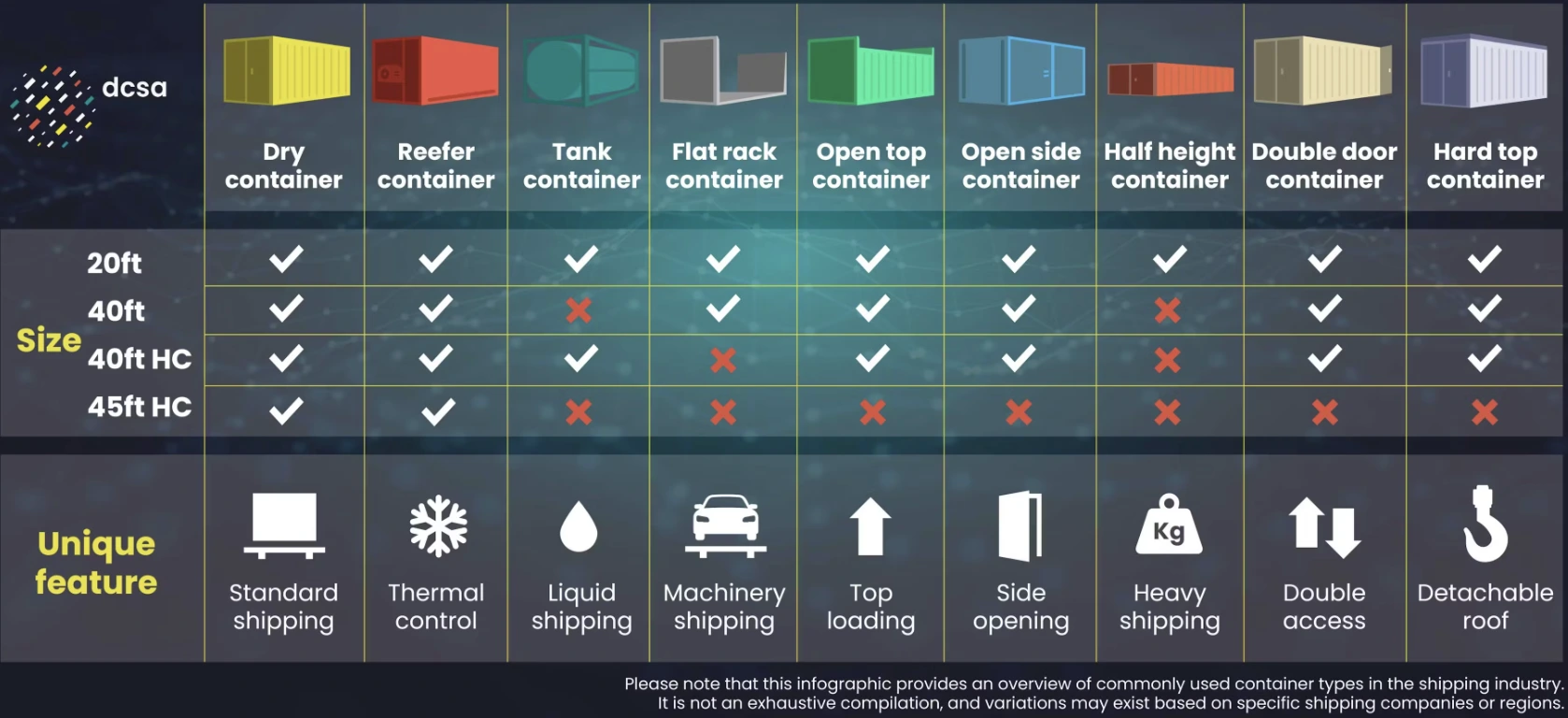
In my years at REPA, I’ve seen every type of shipment. The best choice always comes down to the cargo’s form factor6. We design our tire recycling lines to be modular. This means most of our components, like conveyors, classifiers, and control panels, fit perfectly into standard 20-foot or 40-foot high-cube containers. This is the simplest, safest, and most cost-effective way to ship.
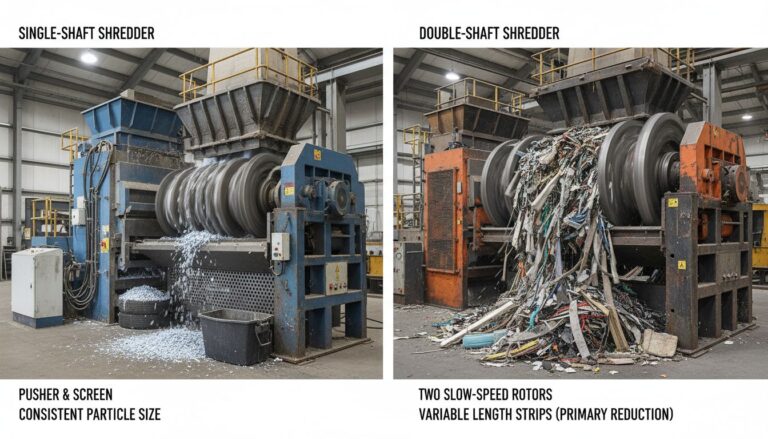
However, sometimes a piece is just too big. For a large shredder housing or a heavy rotor assembly, we have to look at other options. This is where experience matters. A good supplier knows how to plan the disassembly to maximize container usage and only use more expensive methods when absolutely necessary. The simplest way to start is to ask your supplier. They should have extensive loading and shipping experience and can recommend the best plan.
Comparing Your Shipping Options
| Shipping Method | Best For | Key Consideration |
|---|---|---|
| Standard Container | Most components; anything that can fit inside a 20′ or 40′ box. | The cheapest and most secure method. Your supplier should aim for this. |
| Ro-Ro2 (Roll-on/Roll-off) | Self-propelled or towable machines on wheels or tracks. | Minimal lifting and low risk of damage, but only for mobile units. |
| Flat Rack5 Container | Out-of-gauge (OOG) width or height, like main frames or hoppers. | Requires expert lashing and securing. The cargo is exposed to the elements. |
| Open-Top7 Container | Slightly over-height cargo that can be loaded by a crane from above. | Offers more protection than a flat rack but has strict height limits. |
| Breakbulk4 | Extremely oversized single pieces that won’t fit on any container. | Most expensive and complex, with the highest risk of handling damage. |
Why do fewer lifts equal fewer claims?
Your new machine arrives, but it’s dented and a key sensor is broken. Now you’re stuck dealing with insurance claims and project delays. The problem often starts with too much handling.
Every time a crane lifts your equipment, there is a risk of impact, drops, or improper handling. Shipping methods that minimize the number of lifts, like Ro-Ro2 or fully containerized cargo, significantly reduce the chances of damage during transit.
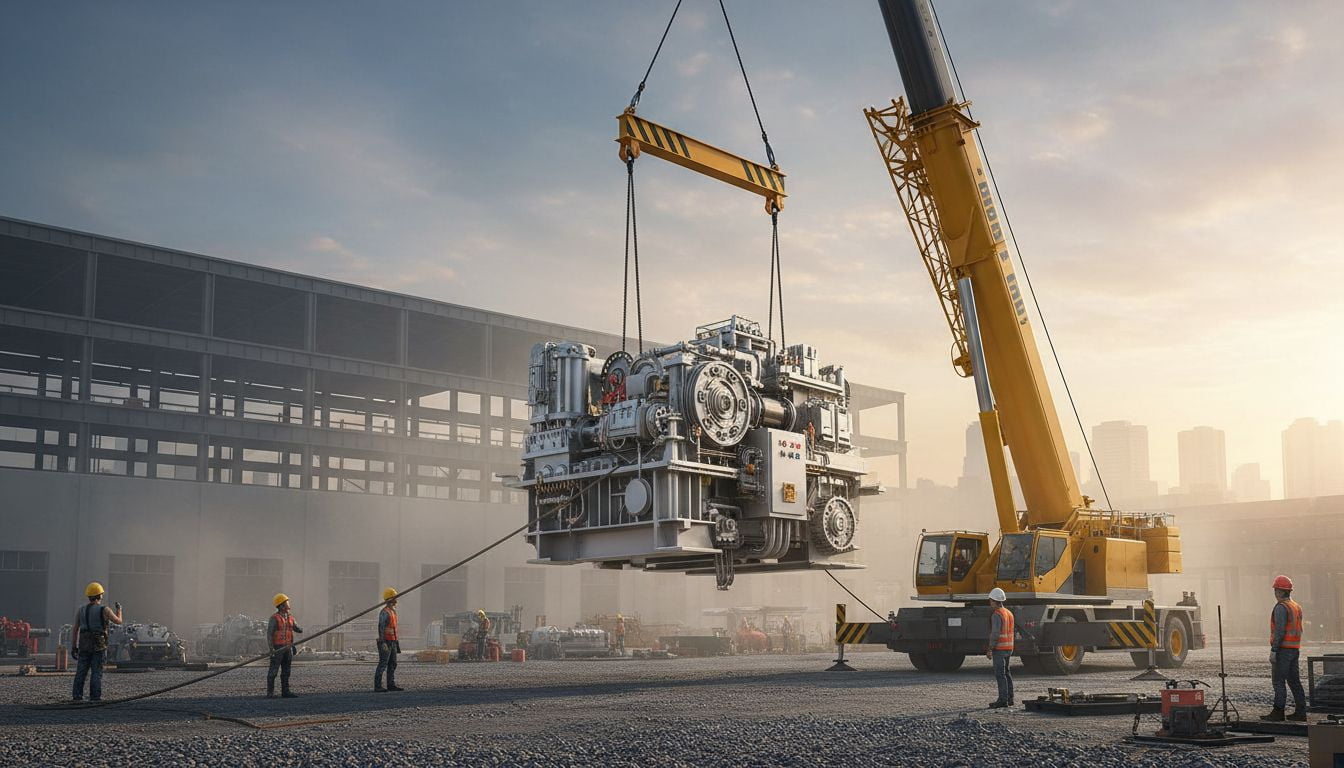
Think about the journey your machine takes. From our factory floor, it’s loaded onto a truck. At the port, a crane lifts it off the truck. It might be moved again into a storage area. Then another crane lifts it onto the ship. That’s at least three lifts before it even leaves the country. Each one is a "handling point," and each handling point is a risk.
This is why Ro-Ro2 shipping is so attractive for mobile equipment. The machine is simply driven onto the vessel and secured. There are no cranes involved. For stationary equipment like our recycling lines, the next best thing is locking it down inside a container. Once the container doors are sealed at our factory, the machine itself is not handled again until you open it at your site. The container is designed for rough handling; your machine is not. Minimizing exposure is the name of the game.
What cost levers can you control?
Shipping costs seem out of your hands, but you have more control than you think. Small decisions made before you sign the contract can save you thousands of dollars in freight.
You can control shipping costs8 by working with your supplier on a smart disassembly plan9, choosing the right Incoterms10, and understanding how machine dimensions impact price. Every cubic meter you save reduces the final freight bill.
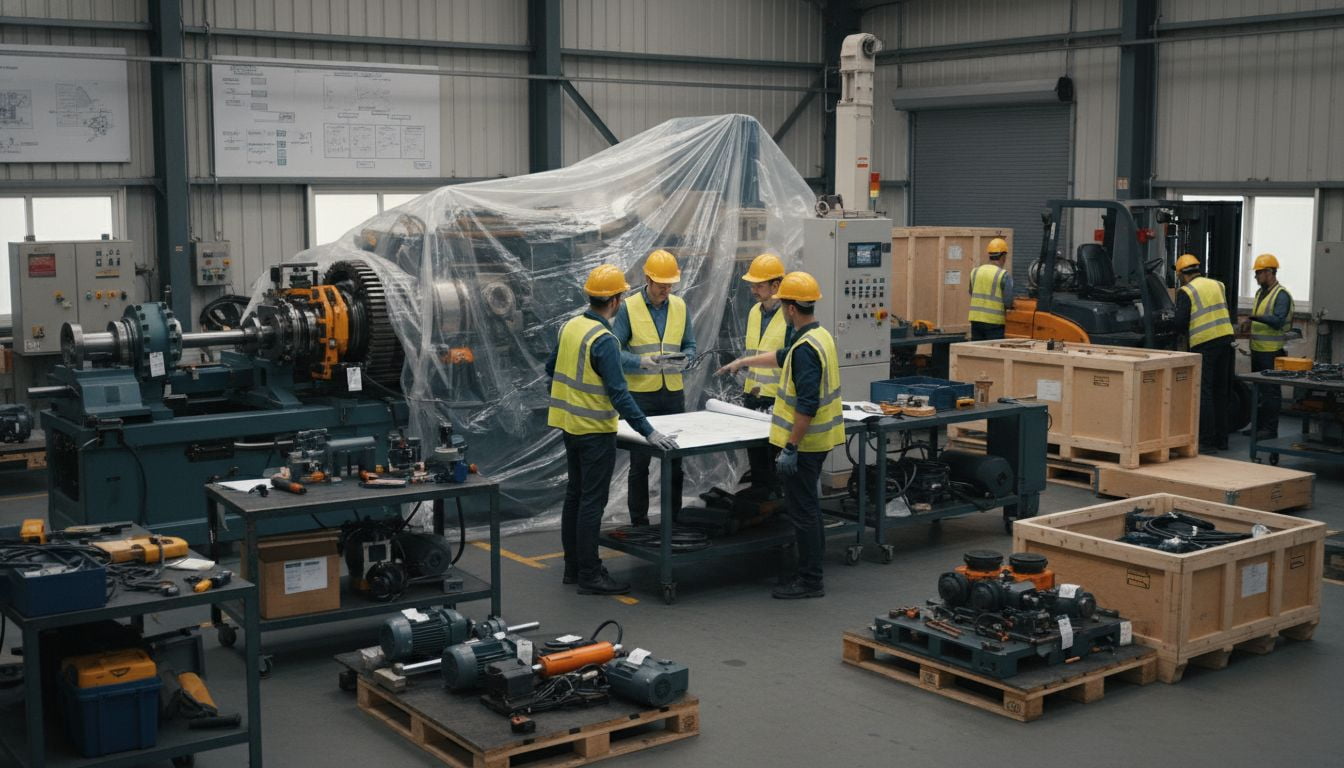
I always have this conversation with my clients early on. The biggest cost lever is the disassembly plan9. Can a large assembly be broken down into smaller parts to fit into a standard container instead of needing a costly flat rack? For example, we design our hoppers and frames to be bolted together, not welded. This allows us to ship them disassembled in a much smaller volume. This smart design directly lowers your shipping costs8.
Your choice of port and Incoterms10 also plays a huge role. Some ports are much more expensive for handling out-of-gauge (OOG) cargo. We can help you analyze the options. Choosing FOB (Free On Board) or FCA (Free Carrier) gives you control over the ocean freight, allowing you to use your own forwarder. This can be cheaper if you have a good relationship with a logistics provider11. The key is to discuss these variables with your supplier. Don’t just accept the first shipping quote; understand what’s driving the price.
Conclusion
Shipping heavy machinery is a partnership between you and your supplier. The right plan, clear communication, and smart design choices are the best ways to ensure your equipment arrives safely, on time, and on budget.
-
Explore this resource to understand the complexities and best practices for shipping heavy machinery safely. ↩
-
Learn about Ro-Ro shipping to see how it minimizes handling and reduces damage risk for mobile equipment. ↩ ↩ ↩ ↩ ↩
-
Gain insights into developing a shipping strategy that ensures safe and cost-effective transport of machinery. ↩
-
Discover the ins and outs of breakbulk shipping, especially for oversized machinery that can’t fit in containers. ↩ ↩ ↩
-
Find out how flat rack containers can accommodate oversized cargo and the precautions needed for safe transport. ↩ ↩
-
Discover why the form factor of your cargo is crucial in selecting the most efficient shipping method. ↩
-
Understand the benefits and limitations of open-top containers for shipping slightly over-height cargo. ↩
-
This resource provides insights on managing shipping costs effectively through smart planning and choices. ↩ ↩
-
Learn how a well-thought-out disassembly plan can significantly reduce shipping costs and risks. ↩ ↩
-
Explore how understanding Incoterms can give you leverage in negotiating shipping costs and terms. ↩ ↩
-
Find out how to select a logistics provider that can help you navigate the complexities of shipping heavy machinery. ↩