What’s the Difference Between a Tire Shredding Line and a Rubber Powder Line?
You’re ready to invest in tire recycling, but the options are confusing. Should you build a shredding line or a powder line? One seems simpler, the other more profitable, and making the wrong choice could cost you millions.
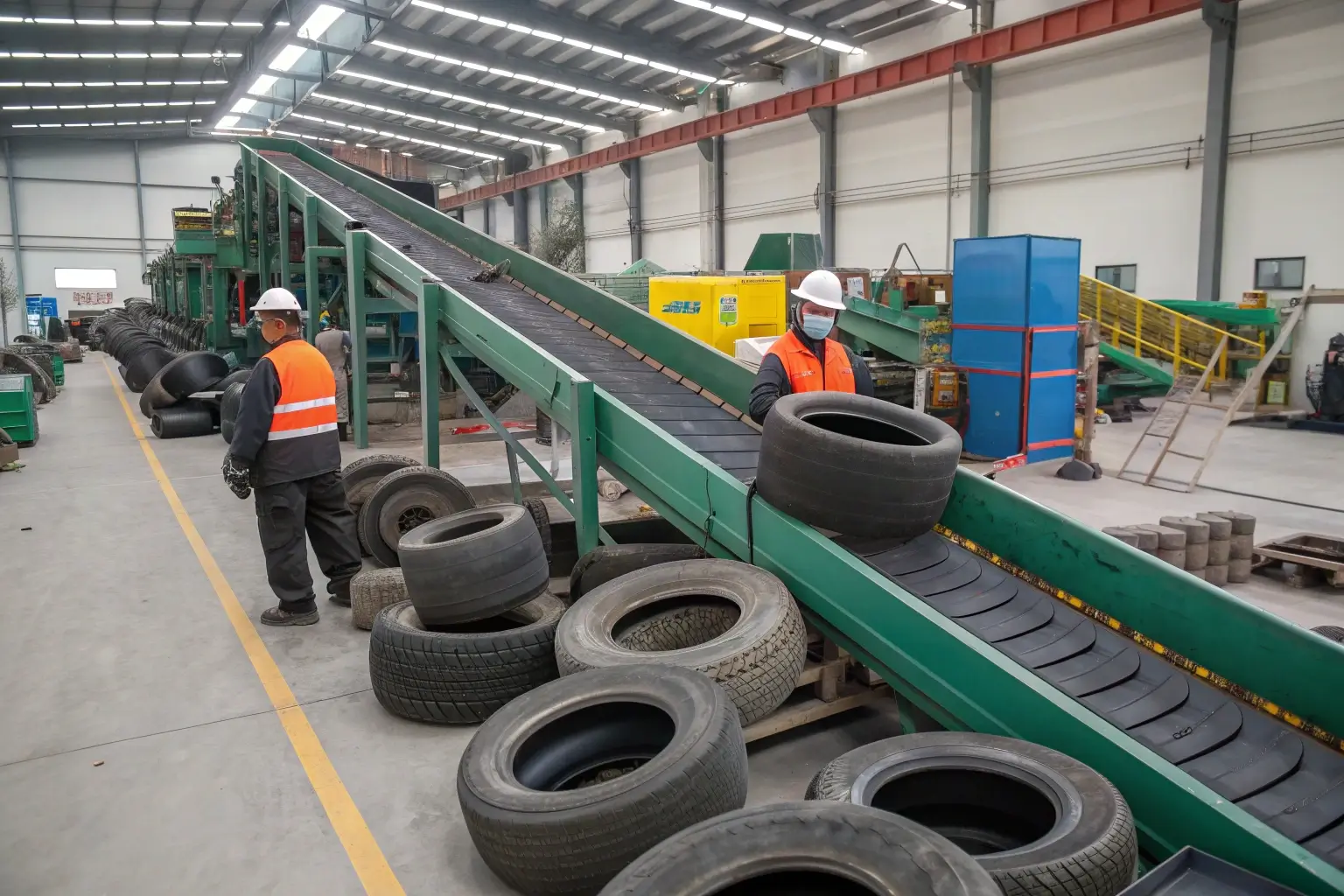
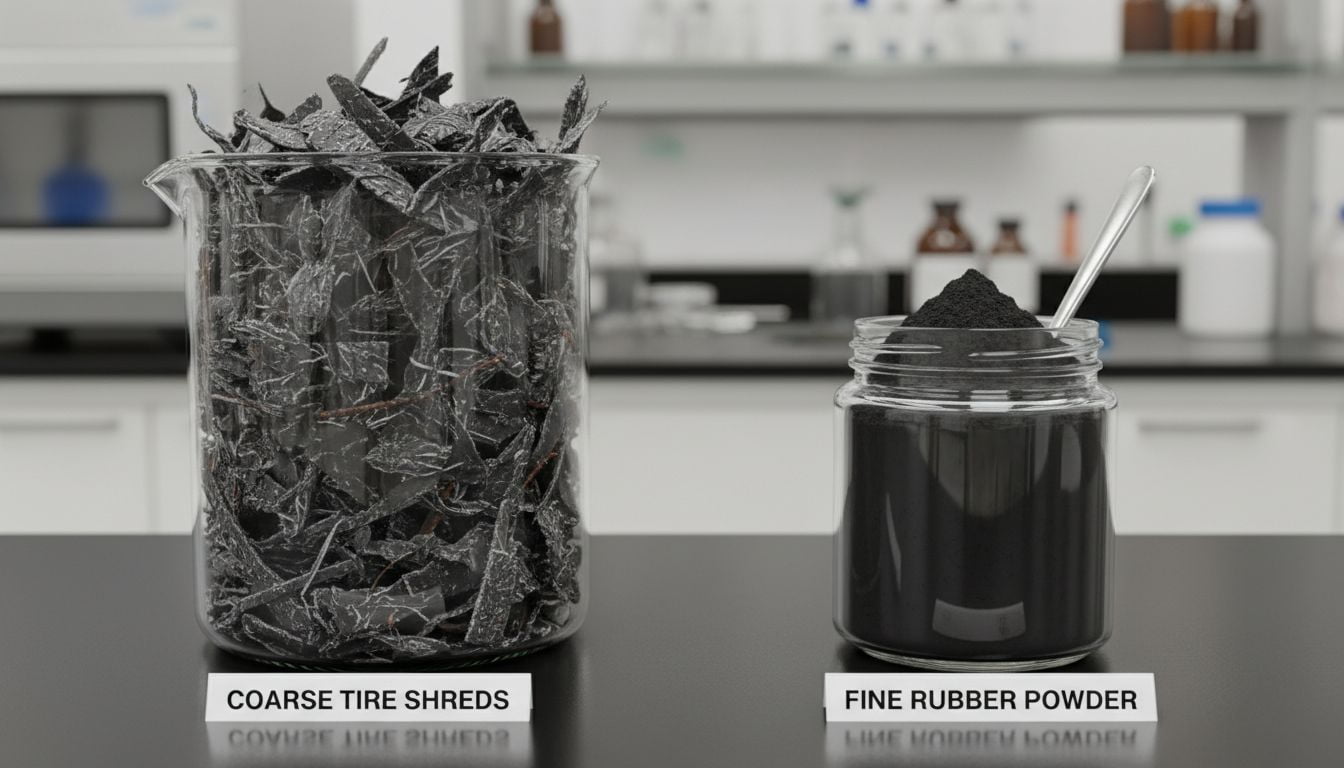
Tire shredding lines1 produce coarse rubber chips (TDF) with simpler equipment focused on size reduction. Rubber powder lines add granulation and milling2 to make fine, mesh-controlled powder for higher-value applications like asphalt and sports surfaces; they cost more but enable premium markets.
I’ve guided many clients through this exact decision. It’s the most critical question you’ll ask. The answer isn’t about which line is "better," but which line is right for your business plan, your target market, and your budget. Both paths can be very profitable, but they serve different customers and require different levels of investment and quality control3. Let’s break down the details so you can choose your path with confidence.
How does a tire shred?
It seems simple to just rip a tire apart, but you know the process must be more controlled. You need to understand the mechanics to see where the value, and the costs, are.
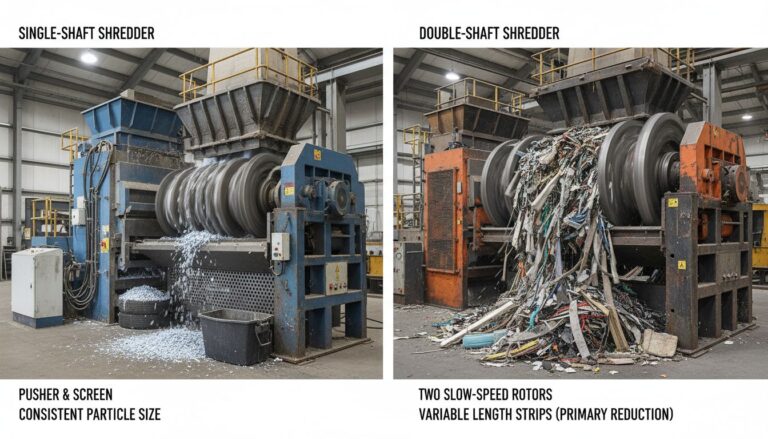
A tire shreds through a multi-stage process, starting with a powerful low-speed, high-torque shredder that rips whole tires into large strips. These strips are then processed by secondary granulators4 with sharp knives that cut the rubber into progressively smaller, cleaner chips.
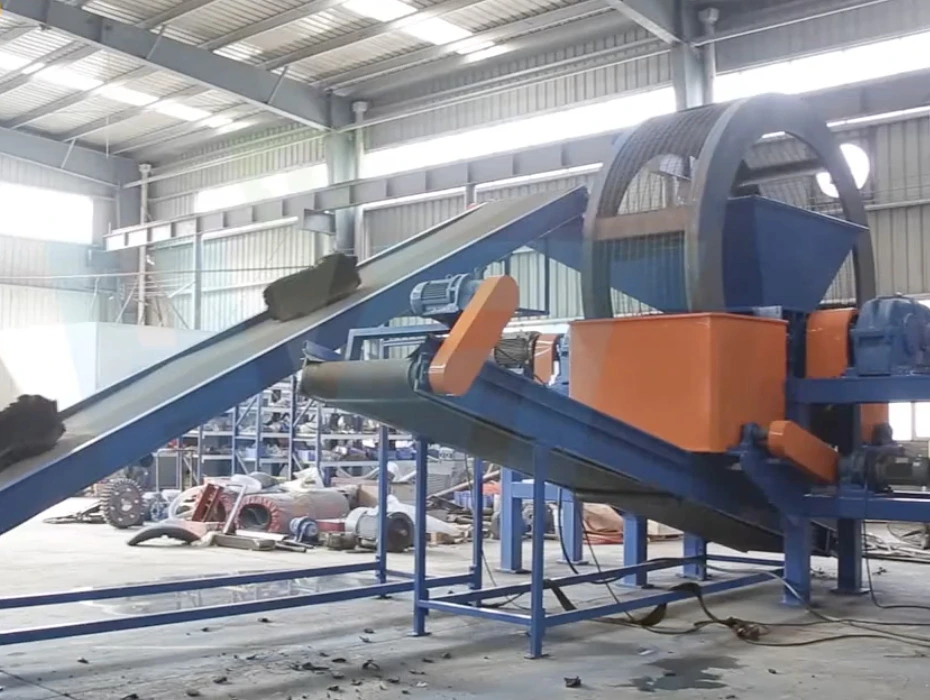
The first stage is all about brute force. We use a primary shredder5 with thick, hardened steel hooks. It turns at a very low speed but with immense torque, grabbing the tire and tearing it apart against a central cutting block.
After this initial rip, the large pieces move to a secondary machine, often a granulator. This machine works differently. It uses faster-spinning blades to chop the rubber chunks into a specific size, like 25mm chips. Screens ensure size consistency, while magnets and fiber separators clean the rubber at each stage.
What is the use of rubber powder from tires?
You know rubber powder is valuable, but where does it actually go? You need to know the end markets before you can build a line.
Rubber powder is used in high-value applications6 such as rubberized asphalt7, sports turf infill8, playground surfaces, and molded rubber products.
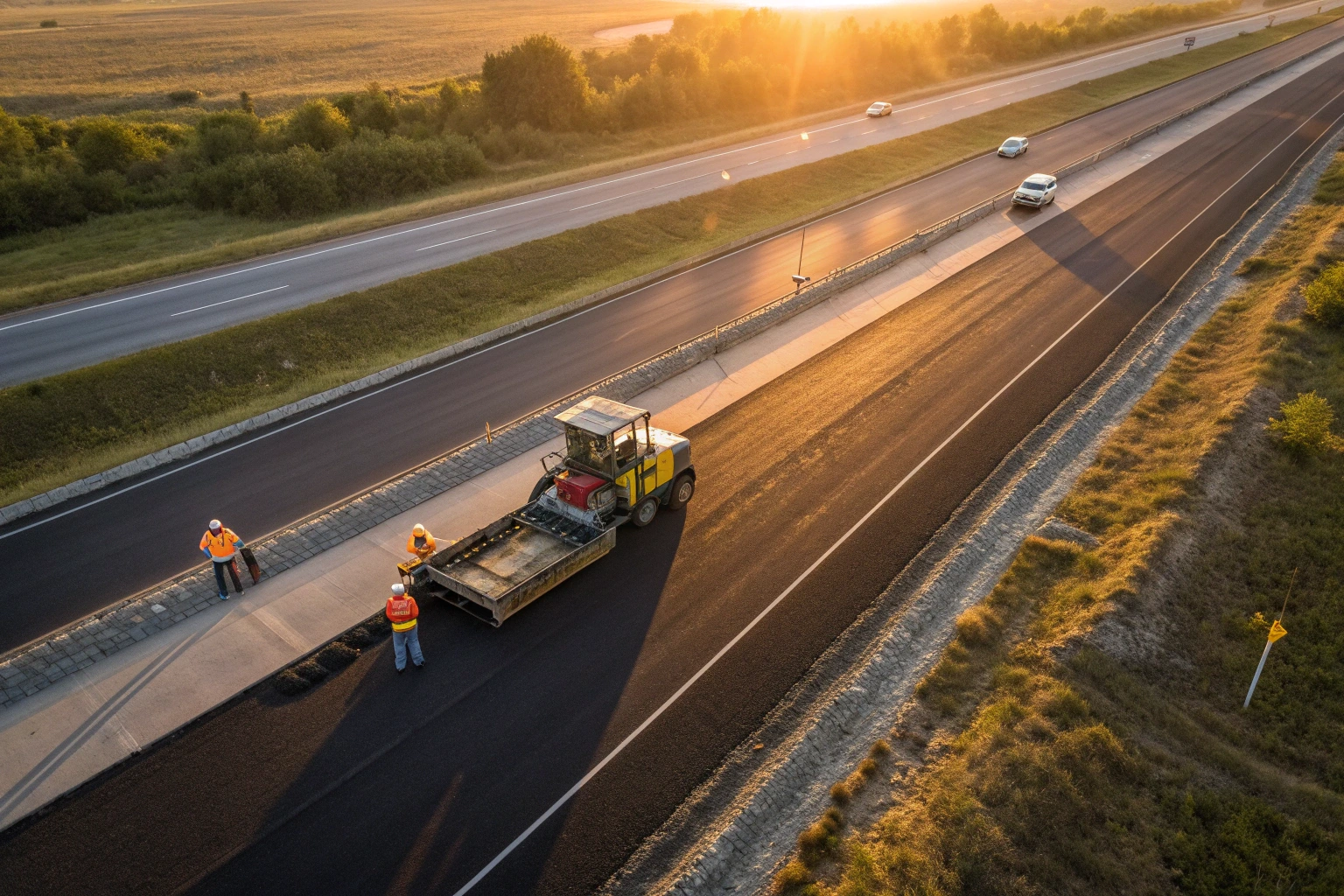
Rubber powder enters premium markets. For example, DOT-approved asphalt modification requires consistent, clean, controlled-mesh rubber powder.
Other industries such as sports fields and playgrounds rely heavily on stable mesh and purity. If your target markets include these high-value sectors, quality consistency is critical.
What is a tire shredder?
You hear the term "shredder" used for everything, so what is a true tire shredder?
A tire shredder is a heavy-duty machine using low-speed, high-torque hooked blades to rip whole tires into strips or chips. It’s the most powerful and essential machine in a recycling line.
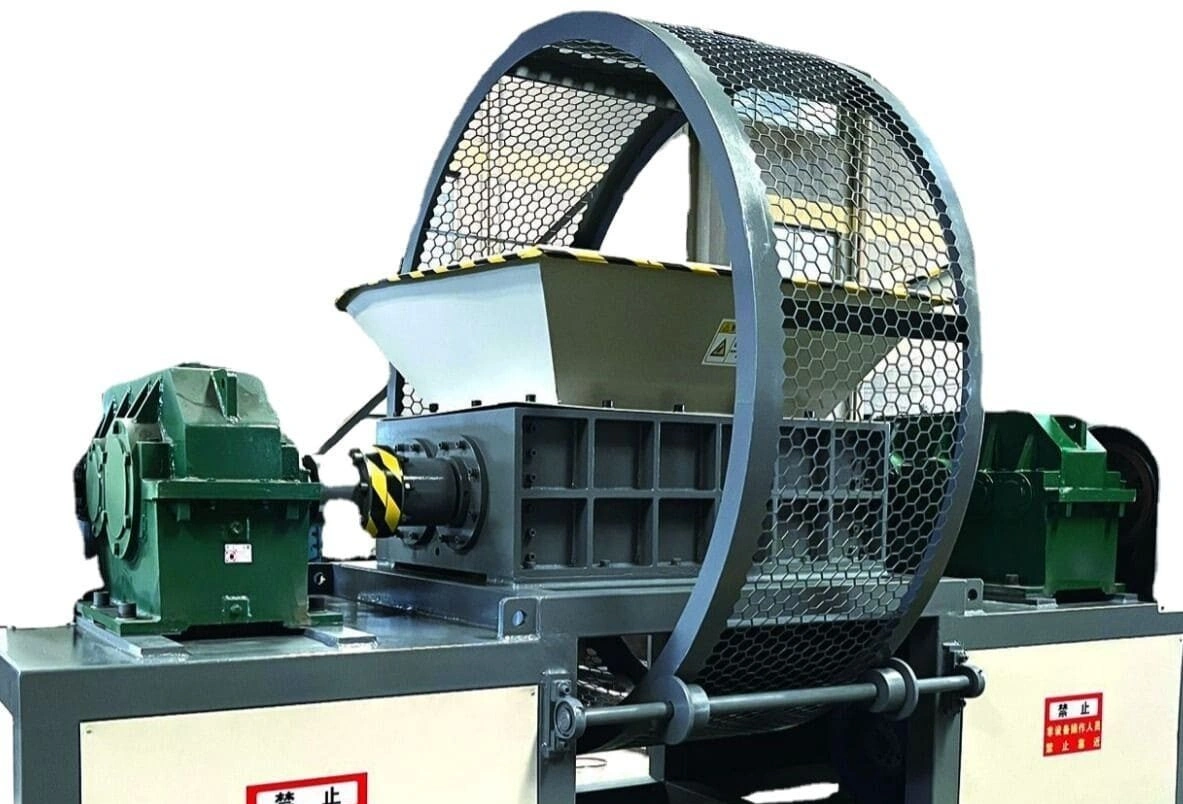
A tire shredder is not a grinder. It relies on torque, not speed, to tear rubber, steel, and textiles apart without damaging itself. The blades are hardened steel, and the machine is built with a heavy gearbox and reinforced frame.
What are shredded tires called?
Using the right term matters when speaking with buyers.
Shredded tires are commonly called Tire-Derived Fuel (TDF)9. Cleaner and more uniform chips can be sold as rubber mulch10 or rubber chips.
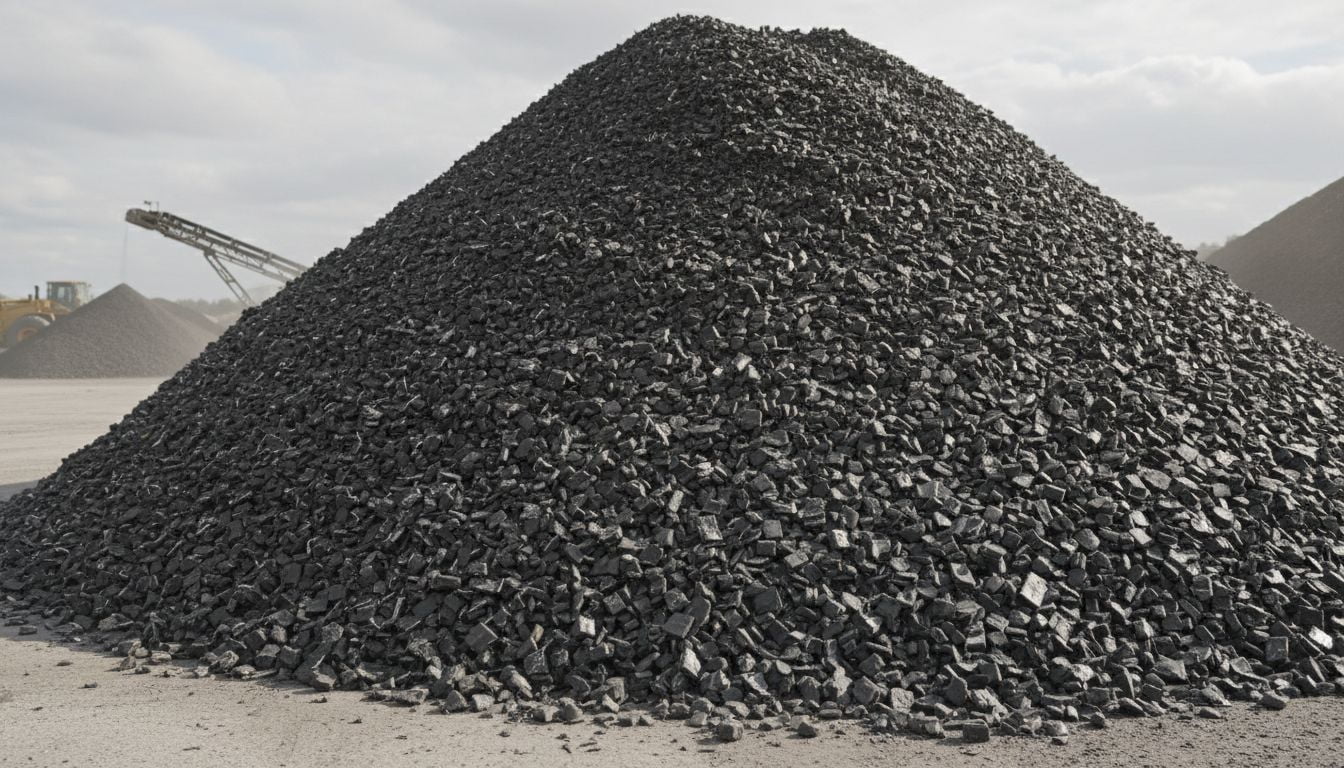
If selling to cement kilns or power plants, your product is TDF. For landscaping, it’s rubber mulch. For general buyers — rubber chips.
What mesh size do rubber powder lines produce?
Rubber powder lines typically produce 10–80 mesh. Mesh size determines which markets you can sell to.
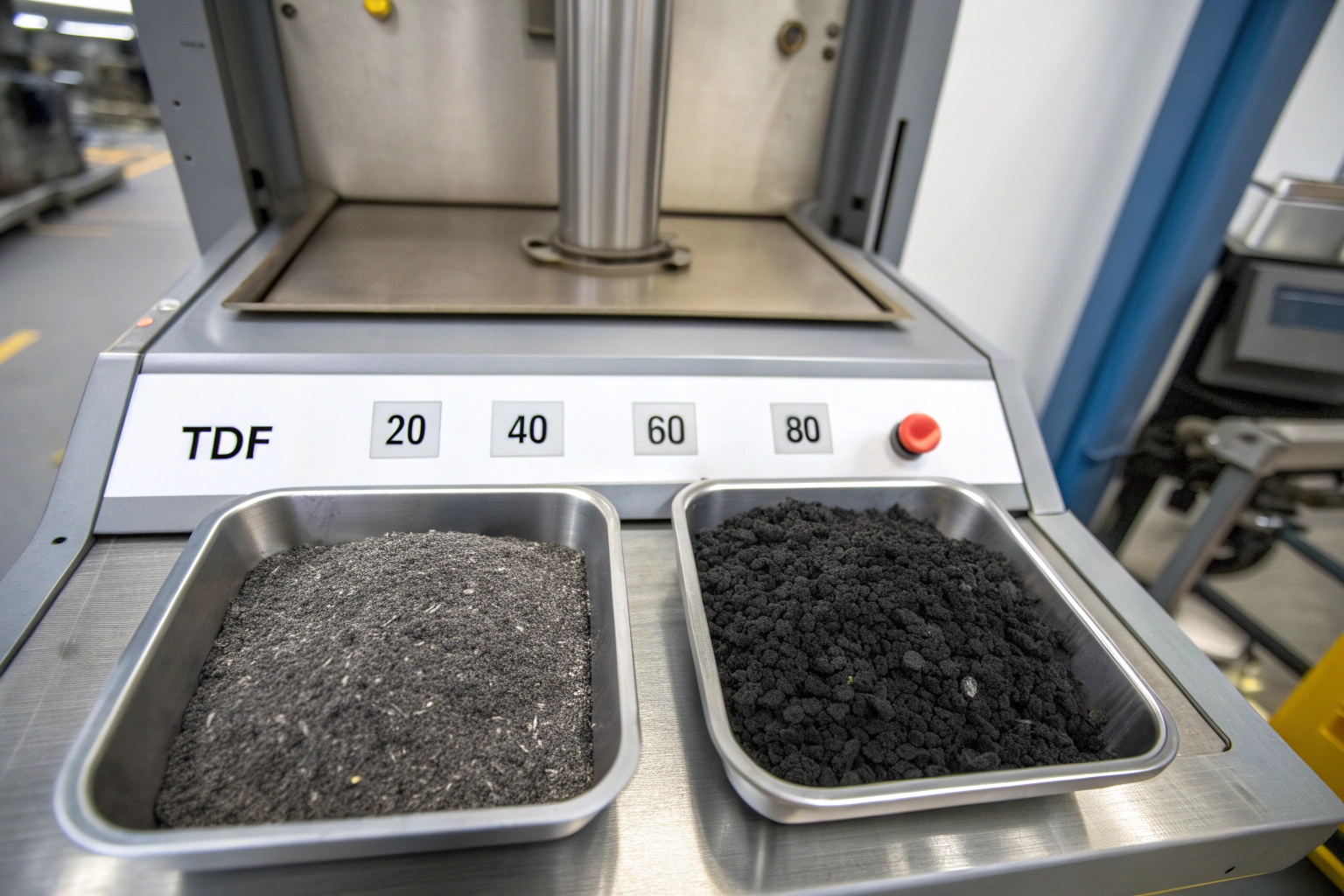
- Asphalt modification often uses 20–40 mesh
- Molded products may require 60–80 mesh
A good line ensures consistent mesh and purity, which is how you secure high-value, long-term contracts.
Is TDF environmentally safe compared to coal?
Yes — in modern cement kilns and industrial furnaces, TDF is generally cleaner than coal, producing lower SOx and NOx emissions.
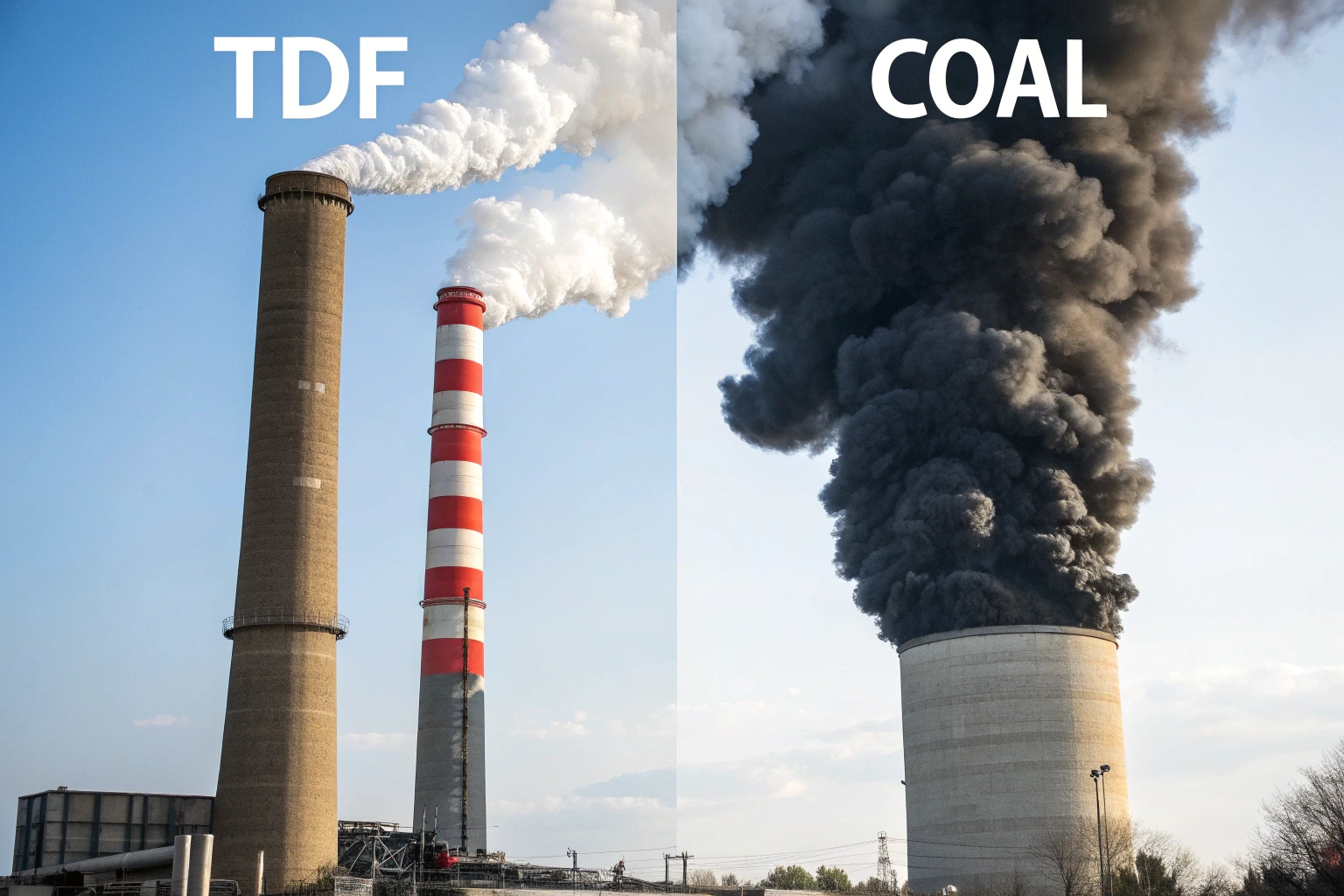
The extremely high temperatures ensure complete combustion, and the steel wires become part of the cement mixture.
Do I need to remove beads/wire before shredding?
Most modern primary shredders5 can shred tires without bead removal. However, using a debeader11 reduces blade wear.
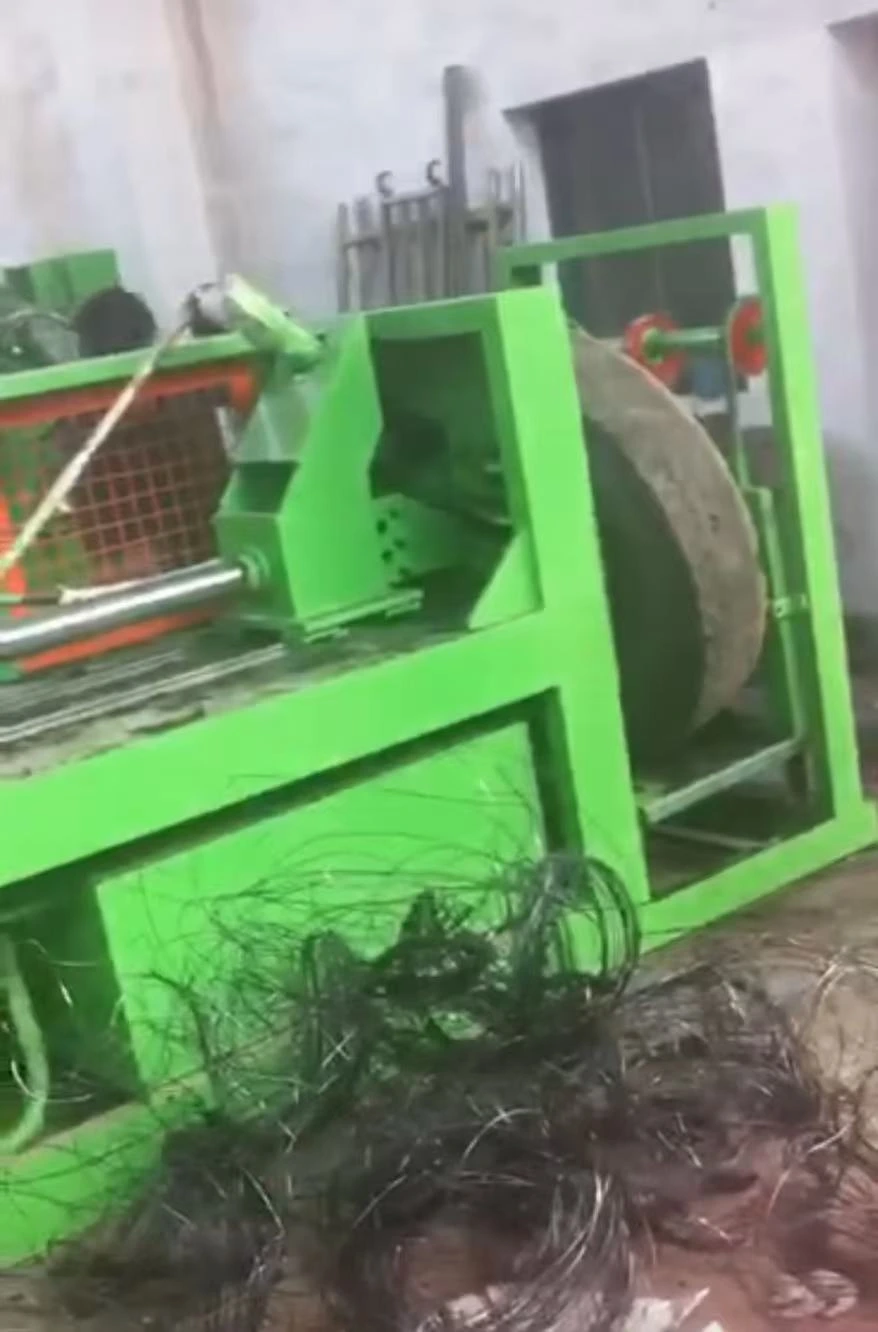
Debeading = lower maintenance cost
Shredding directly = lower initial investment
Many high-volume plants prefer debeading to extend blade life.
What’s the basic equipment list for a rubber powder line?
A complete rubber powder line includes:
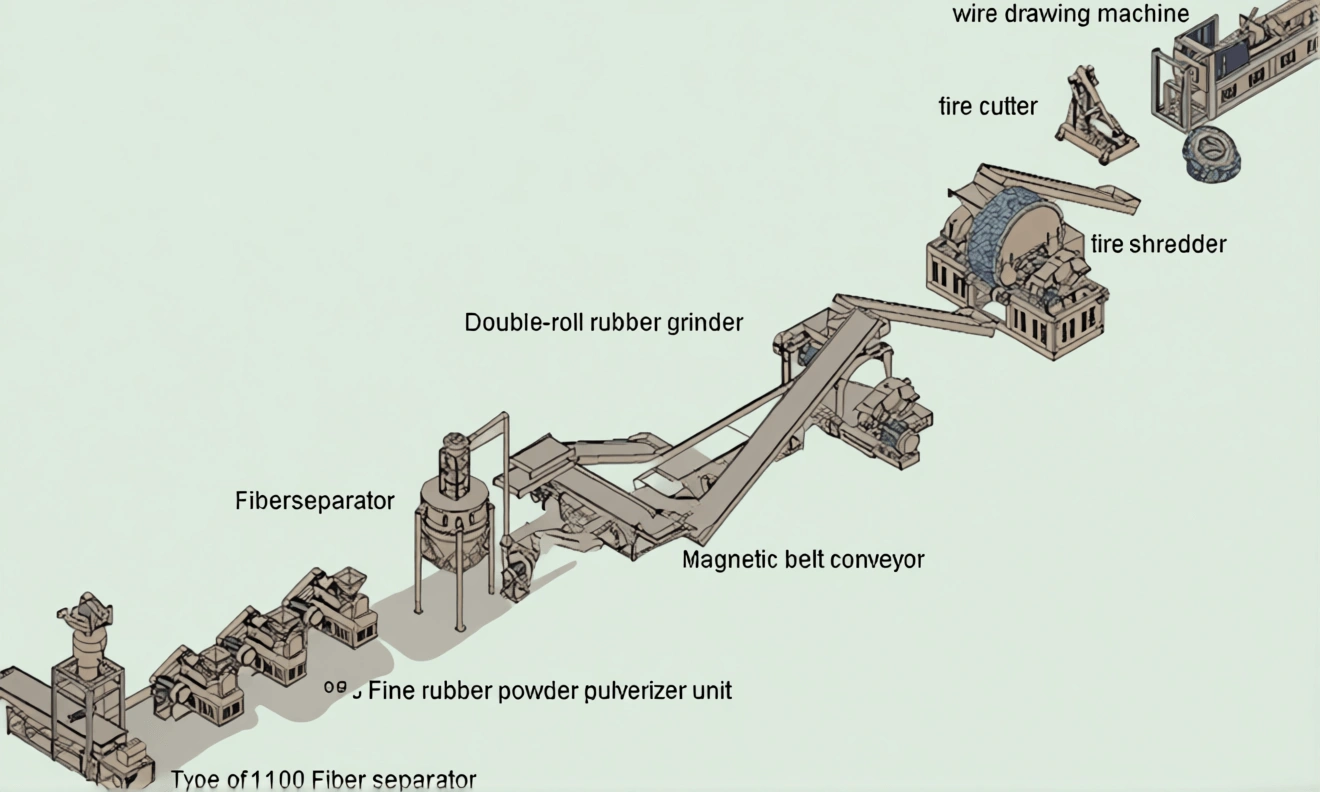
- Primary Shredder — shreds whole tires into 50–100mm strips
- Conveyors — transport between stages
- Granulator — reduces strips to 10–15mm chips
- Magnetic Separators — remove steel
- Fiber Separators — remove textile
- Fine Miller / Pulverizer — produces 20–80 mesh powder
- Dust Collection System — ensures purity & safety
Which line is more profitable?
Powder lines = higher margin
Shredding (TDF) lines = lower CAPEX and faster payback
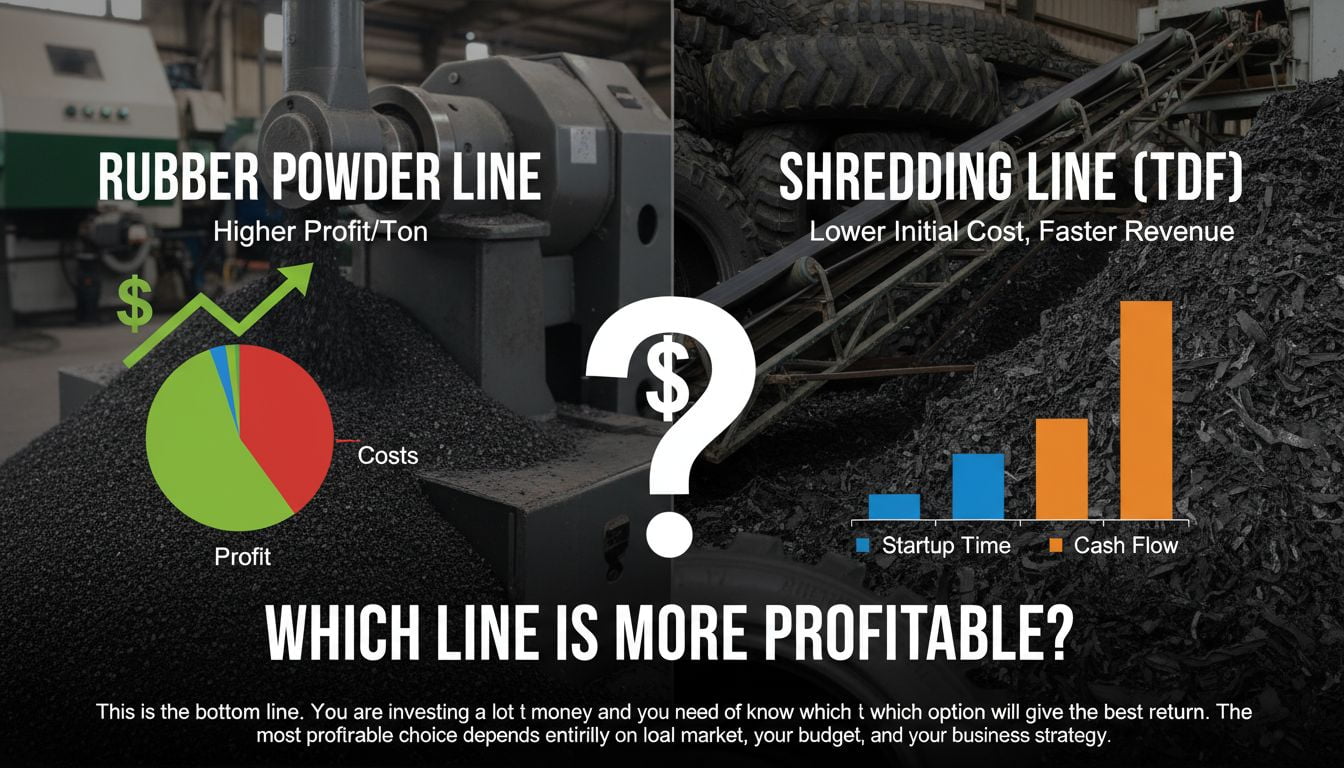
Choose a shredding line if:
- You have large TDF buyers nearby
- You want fast cashflow
- You want lower startup cost
Choose a powder line if:
- You target asphalt, sports, molding industries
- You can meet strict quality standards
- You want long-term, high-margin business
Best strategy: modular growth
Start with shredding → upgrade to full powder line when profitable.
-
Tire shredding line basics and real production footage. ↩
-
How granulation and milling produce fine rubber powder. ↩
-
Why quality control matters in rubber production. ↩
-
Secondary granulators producing uniform chips. ↩
-
High-value uses of recycled rubber powder. ↩
-
How rubberized asphalt is made. ↩
-
Rubber’s role in sports turf performance. ↩
-
Tire-derived fuel applications and benefits. ↩
-
Rubber mulch uses and benefits. ↩
-
Debeading process overview. ↩